As cryptocurrency adoption continues to grow worldwide, securing digital assets has become a top priority for investors and traders alike. Online wallets and exchanges can be vulnerable to hacking, phishing, and data breaches, making hardware wallets one of the safest storage options available today. Trezor, one of the most trusted names in crypto security, offers hardware wallets that keep your private keys offline and fully under your control. This guide explains how to use Trezor.io/start to set up your Trezor wallet and protect your digital assets effectively.
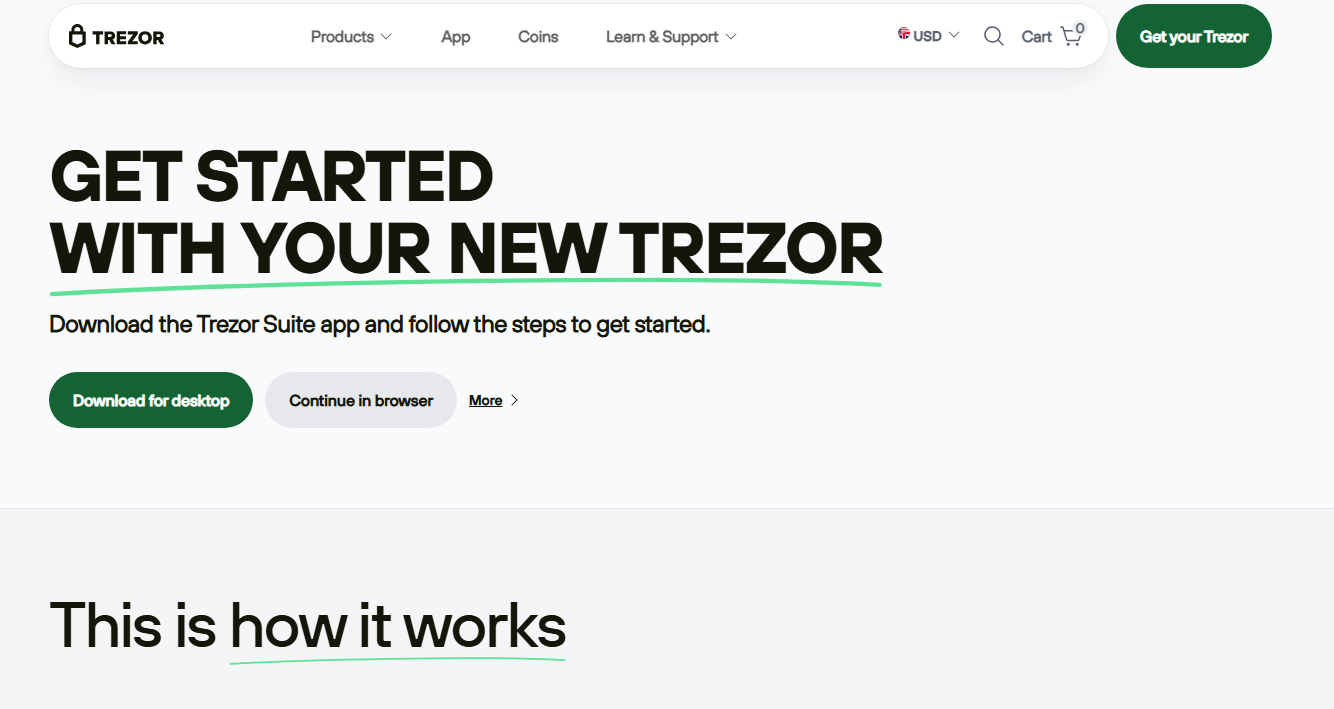
Trezor.io/start is the official onboarding page for Trezor hardware wallets. It provides step-by-step instructions to install the Trezor Suite application, connect your device, and initialize your wallet securely. Whether you are using Trezor Model One or Trezor Model T, this page ensures you follow verified procedures that protect your crypto from unauthorized access.
Using the official setup page is crucial because fake apps and phishing websites often target crypto users. Trezor.io/start guarantees authentic downloads and reliable setup guidance straight from the manufacturer.
Trezor hardware wallets are designed to keep private keys offline in a secure environment, preventing hackers or malware from accessing your funds. Unlike software wallets that rely on internet-connected devices, Trezor isolates sensitive information and requires physical confirmation for transactions.
Trezor wallets support thousands of cryptocurrencies, including Bitcoin, Ethereum, Litecoin, Cardano, XRP, and many ERC-20 tokens. Through the Trezor Suite interface, users can manage assets, send and receive funds, exchange cryptocurrencies, and monitor portfolios securely from one dashboard.
These features make Trezor wallets ideal for beginners and advanced crypto users seeking long-term asset protection.
Before visiting Trezor.io/start, make sure you have:
Having these ready ensures a smooth setup process without interruptions.
Follow the steps below carefully to initialize your Trezor device securely.
Open your browser and go to Trezor.io/start. Select your device model to begin the official setup process.
Download and install Trezor Suite, the official desktop or web application used to manage your wallet. It allows you to check balances, send and receive crypto, update firmware, and manage accounts safely.
Plug your Trezor wallet into your computer using the USB cable. Once connected, follow the instructions displayed on the screen.
If your device is new, you may be prompted to install firmware. This ensures your wallet runs the latest security updates and features.
Choose the option to create a new wallet. You will be given the choice between standard seed backup or advanced backup options, depending on your device model.
Your Trezor device will generate a recovery seed, usually consisting of 12, 18, or 24 words. This seed is the only way to recover your wallet if your device is lost, stolen, or damaged. Write down the words carefully in the correct order and store them in a secure offline location.
Never store your recovery seed digitally or share it with anyone. Anyone who has access to it can control your funds.
Your device will ask you to confirm the seed by selecting or entering the words in the correct order. This ensures you recorded it accurately.
Create a strong PIN code to protect your device from unauthorized access. This PIN is required each time you connect your Trezor wallet.
Once completed, your wallet setup is finished.
After setup, open Trezor Suite and add cryptocurrency accounts. Select the asset you want, such as Bitcoin or Ethereum, and follow the instructions. Trezor supports thousands of coins and tokens, making it easy to manage diverse portfolios securely.
Each account is protected by your Trezor hardware wallet, ensuring private keys never leave the device.
To receive crypto, open Trezor Suite, select your account, and click “Receive.” A wallet address will appear. Always verify the address on your Trezor device screen before sharing it.
To send crypto, enter the recipient’s address and transaction amount in Trezor Suite, then confirm the transaction directly on your Trezor device. This physical confirmation protects you from malware and unauthorized transfers.
To maintain the highest level of security, always store your recovery seed offline and never share it. Trezor will never ask for your recovery seed or PIN.
Avoid downloading Trezor software from unofficial websites. Be cautious of phishing emails or fake support messages requesting sensitive information.
Keep your device firmware and Trezor Suite updated to ensure you benefit from the latest security improvements.
Some users may experience device connection issues, outdated firmware warnings, or PIN errors during setup. These problems can usually be resolved by restarting your device, switching USB ports, or reinstalling Trezor Suite.
If your device locks after multiple incorrect PIN attempts, you can restore your wallet using your recovery seed and regain access to your funds.